
After a hurricane or severe storm, most homeowners scan for the obvious damage — roof missing shingles, windows cracked, fences down. But some of the most dangerous storm damage is invisible. A damaged or detached water heater vent pipe can expose your household to carbon monoxide — a colorless, odorless gas that kills.
How Storm Damage Affects Your Water Heater Vent
Your water heater’s vent pipe runs from the unit to the outside of your home, carrying combustion gases — including carbon monoxide — safely out. High winds and debris can dislodge, crack, or collapse this vent. When that happens, CO has nowhere to go but back into your living space.
Carbon Monoxide Is Especially Dangerous Because You Can’t Detect It
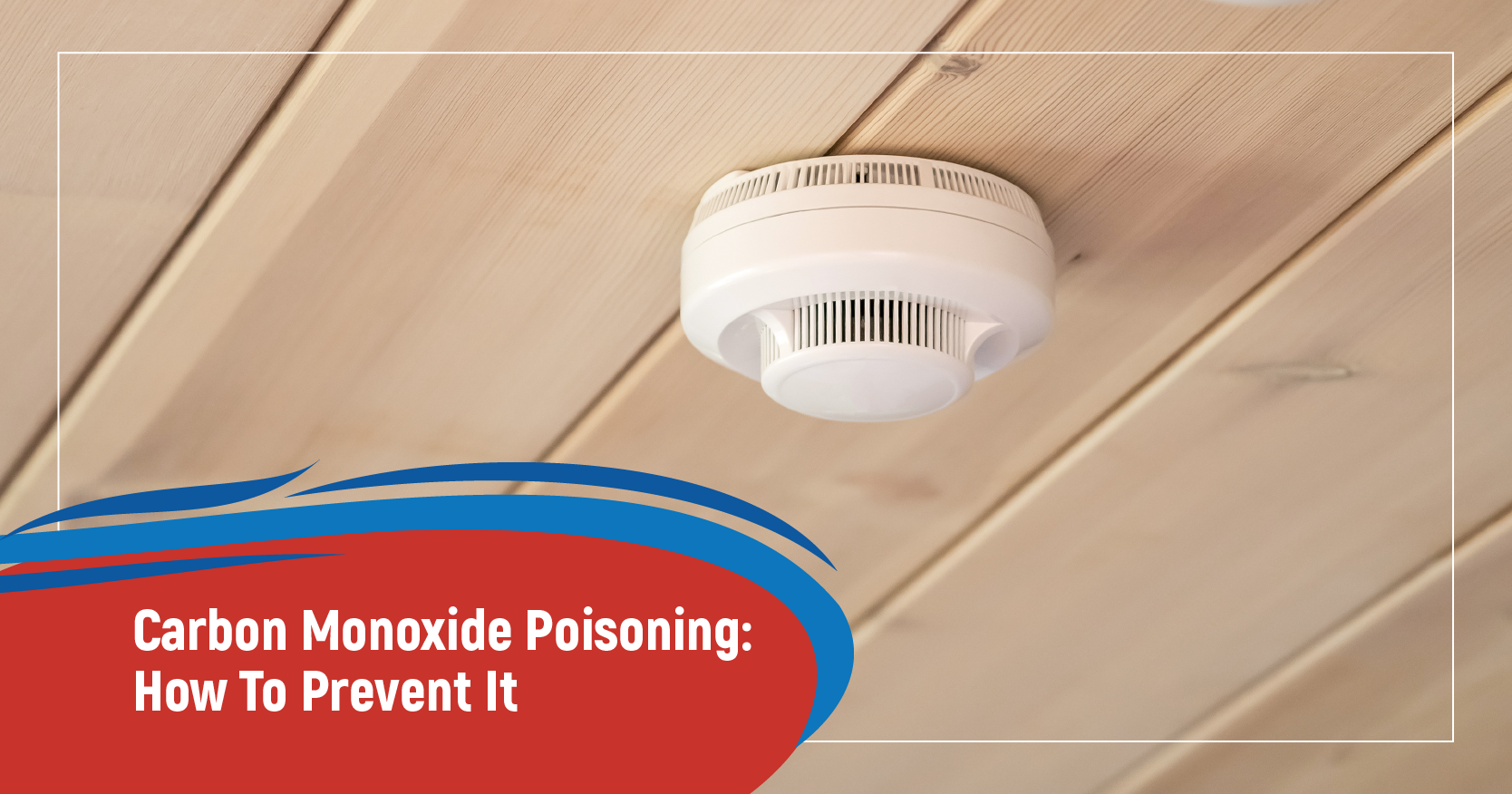
CO is odorless and colorless. By the time occupants feel symptoms — headache, dizziness, nausea — dangerous exposure has already occurred. A battery-powered or battery-backup CO detector on every floor of your home is the single most effective protective measure, and batteries should be replaced every six months.
Check Your Water Heater After Any Major Storm
After severe weather events, make a point of visually inspecting your water heater’s vent connection. Look for gaps, disconnection at joints, or visible damage to the pipe where it exits your home. If anything looks wrong, don’t use the water heater until a professional inspects it.
Water Heater Repair and Replacement in Baton Rouge
Reliable Plumbing installs and repairs water heaters throughout Greater Baton Rouge. If your unit or its vent was damaged in a storm, our technicians can assess the situation and get you back on track safely.
Don’t assume your home is fine after a storm. If you suspect water heater or vent damage, call Reliable Plumbing at (225) 929-9510.